


In March, following the start of the Iran War, I wrote about the incoming energy crisis. Since then, the situation has worsened significantly. Additional conflicts in the Bab el-Mandeb strait have restricted the viability of oil exports to Asia, whilst further strikes against Saudi oil pipelines have further disrupted supply. As a result, shipping costs have risen to record levels and countries are being forced to release their strategic reserves to keep the global oil price down. A series of strikes against oil refineries during the Russia-Ukraine and US-Iran wars has also damaged global refining capacity, which in turn has shifted the story of scarcity from crude oil to refined products – most notably diesel. Even though the supply of crude from the Middle East has stabilised, global refineries cannot process it all, resulting in the price of diesel decoupling from crude. In early September, the price of American diesel passed $200 per barrel, up from around $105 before the war with Iran began. This article will explore how the international competition for diesel is unfolding, by discussing developments across the Middle East, the armed conflicts around the Bab el-Mandeb strait, the disruption in shipping and refining, as well as the outlook for Europe, Russia, the US, China and fuel rationing across Asia.
The Middle East & War in Yemen:
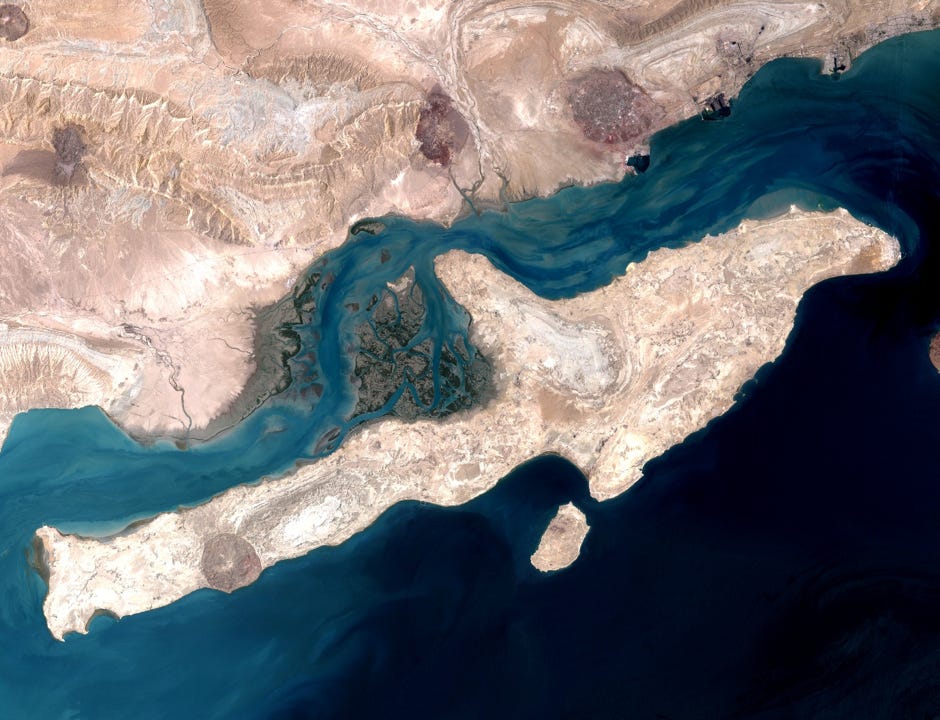
The crisis began on 28 February, when the US and Israel attacked Iran, killing its Supreme Leader Ali Khamenei. Iran replied by closing the Strait of Hormuz, through which roughly 20 million oil barrels per day (bpd) had passed. What has followed since is a series of retaliatory refinery strikes across the Middle East, attacks on shipping and a US blockade of Iranian ports. Neither the ceasefire in April nor the memorandum of understanding signed in June was able to keep the strait open for long. By late August, it was estimated that traffic through the strait had fallen from about 100 ships per day before the war to around five. This traffic has now partly recovered, but the actual amount of crossings that are taking place cannot be accurately determined. US Central Command (CENTCOM) claim that around 400 ships crossed in one week in mid-October, whilst the UK Maritime Trade Operations (UKMTO) counted 254, with only 42 crossings being observed through automatic identification system data. The UKMTO also concede that attack figures are incomplete, as most targeted ships refuse to report the attacks. Iran has also laid new naval mines along the strait, which they claim have already struck three ships attempting to cross the southern part of the strait, although CENTCOM claim that these mines were cleared, and that ships were instead hit by projectiles.